Matching Zinfandel and Primitivo can feel like stepping into a flavor adventure. These two names sit on opposite sides of the Atlantic—one a bold American staple, the other an Italian classic—yet they are, genetically, the same grape. This guide looks at how regional winemaking shapes their taste, body, and food friends, whether you’re sipping in a Baja vineyard or a Madrid tapas bar. When you finish reading, you’ll see how to use Zinfandel’s power and Primitivo’s brightness for meals that stick with you.
The DNA of a single grape: Zinfandel versus Primitivo
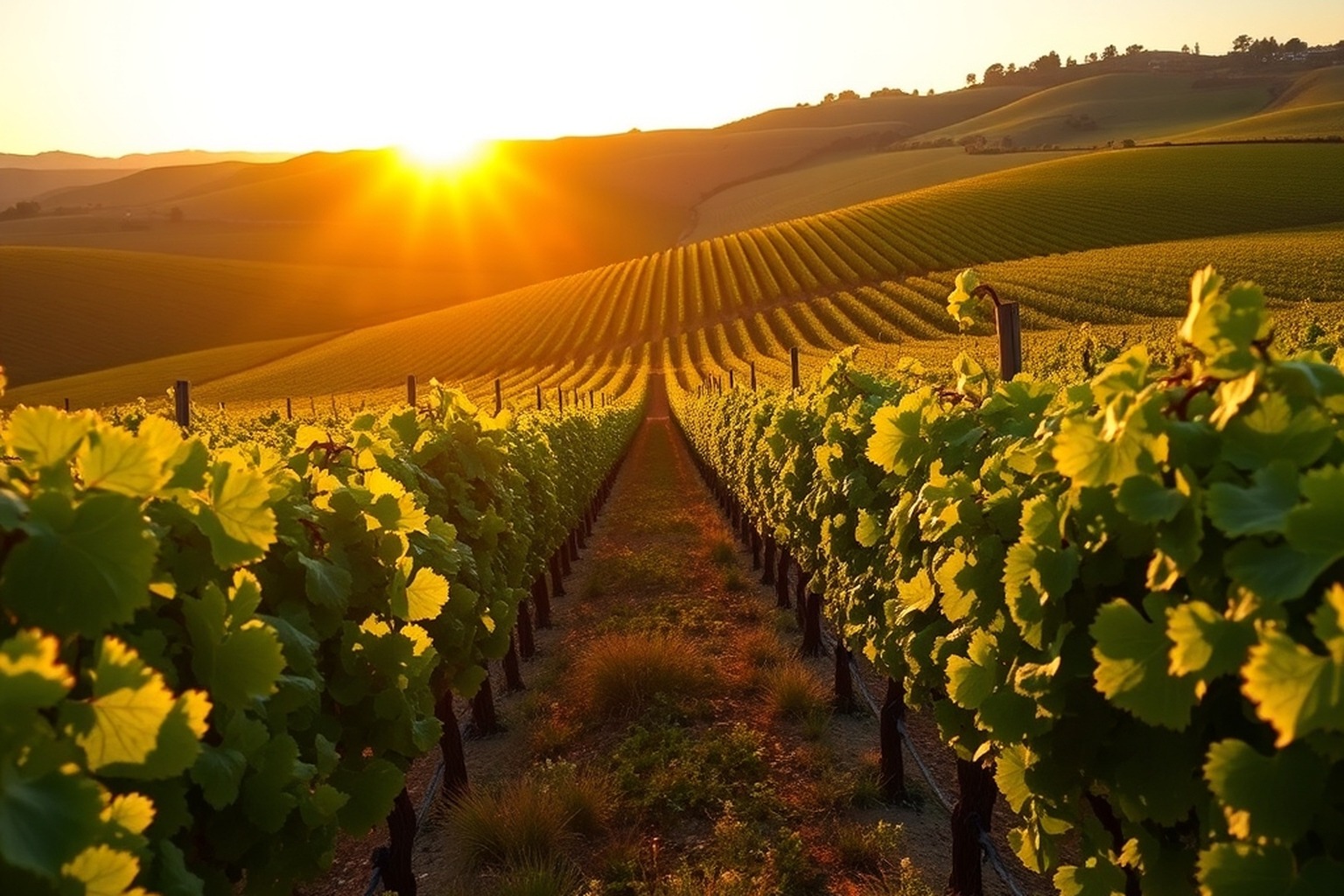
The core of the discussion is a simple fact: Zinfandel and Primitivo are the same vine, Vitis vinifera var. Zinfandel. The only split is geography and style. Italian vines called Primitivo took root in Puglia’s sun‑baked fields, where long heat speeds sugar build‑up, giving higher alcohol and punchy fruit. In the U.S., Zinfandel lives in cooler spots like Sonoma, Napa, Paso Robles and the Santa Rita Hills. Those cooler temps slow ripening, keeping acidity and letting secondary notes—spices, herbs, even a whisper of truffle—appear.
Key viticultural distinctions
- Growing region: Puglia (Italy) vs. California, Ohio, New York (USA)
- Temperatures: Primitivo averages 22‑28 °C during ripening; Zinfandel often sees 18‑24 °C
- Yield: Italian vineyards typically aim for lower yields (3‑4 t/ha) to concentrate flavor, while US Zinfandel can be harvested at 4‑5 t/ha
- Alcohol potential: Primitivo commonly reaches 14‑15 % ABV; Zinfandel ranges 13‑14 % in cool sites, up to 15 % in warmer valleys
These environmental factors show up directly in the wine’s aroma and taste, which we’ll explore next.
Zinfandel’s bold character: flavor and food pairings
Zinfandel shows up with a confident, full‑bodied personality that can swing from jammy fruit to peppery spice. The final shape often depends on the winemaker’s choices—fermentation temperature, oak treatment and aging length.
Typical flavor spectrum
- Blackberry, plum and raspberry dominate, often boosted by candied fruit when barrel‑aged.
- Pepper, cinnamon and clove appear as secondary notes, especially in cooler regions where acidity stays high.
- Oak‑aged examples (think Francis Ford Coppola Zinfandel, $350‑$450 MXN) bring vanilla, toast and a silky feel.
- Unfiltered “raw” Zinfandels (such as Seghesio Family Vineyards) showcase earthy mushroom and herb touches.
When it comes to food, Zinfandel’s richness and acidity make it a versatile partner. Its robust tannins and alcohol can hold their own next to hearty dishes, while the fruit‑spice balance cuts through fat.
Classic pairings
- Grilled meats: ribeye steak rubbed with rosemary‑garlic; brisket tacos topped with pickled red onions.
- Game birds: duck confit with cherries; wild mushroom risotto.
- Cheeses: aged Gouda (30‑45 €), blue cheese crumbles or a sharp aged cheddar.
- Barbecue: pork ribs with BBQ sauce; lamb chops drizzled with mint‑yogurt.
For a practical tip, serve Zinfandel at 16‑18 °C (60‑65 °F) to keep fruit bright while softening the alcohol warmth. Barrel‑aged bottles taste better a little cooler, around 15 °C, to let aromatics shine.
Primitivo’s vibrant side: flavor and food pairings
Primitivo’s reputation for intensity comes from its sun‑soaked Italian roots. Thick skins concentrate sugars and phenolics, so the wine often feels fuller, juicier and more fruit‑forward than its Zinfandel cousin. Many Italian makers use short maceration and stainless‑steel tanks to keep the fruit’s brightness, though some in Campania still lean on oak for extra layers.
Flavor hallmarks
- Plum, black cherry and wild berry dominate, sometimes with a candied‑fruit sweetness.
- High acidity balances the fruit for a lively finish.
- Spice notes usually include vanilla, cinnamon and a faint tobacco touch when oak‑aged.
- Examples: Masseria Fumonna Primitivo di Manduria (≈ 12‑14 €), Tenute Duca di Tavoliago’s Primitivo Salento (≈ 15‑18 €)
Because of its bright fruit and moderate tannins, Primitivo works well with dishes that complement rather than clash with its punch.
Food suggestions
- Seafood: grilled octopus with smoked paprika; pasta with clams and a bright tomato‑basil sauce.
- Vegetarian: roasted eggplant parmigiana; stuffed bell peppers with quinoa and black beans.
- Charcuterie: prosciutto wrapped melon; aged salami with mustard seeds.
- Desserts: dark chocolate tart with sea salt; tiramisu with a hint of espresso.
A useful serving tip: Primitivo shines at 16‑18 °C as well, but the higher alcohol can feel warm if it’s too hot. Keep it on the cooler side of that range, especially for unoaked bottles, to preserve crisp fruit.
Zinfandel Primitivo pairing essentials: choosing the right match
When you stand before both Zinfandel and Primitivo—whether you’re picking one or planning a side‑by‑side tasting—a simple decision tree can help. Think about three things: how bold the flavors are, the wine’s tannin backbone, and what kind of meal you have in mind.
Decision matrix
- Fruit-forward, lower tannin meals → Choose Primitivo (e.g., tomato‑based pasta, grilled fish).
- Rich, savory dishes with robust protein → Opt for Zinfandel (e.g., beef stew, lamb rack).
- Balanced, versatile pairings → Use a medium‑bodied Zinfandel or a lightly oak‑aged Primitivo.
Cost is another clue. In Mexico you’ll find a solid entry Primitivo from Baja California for roughly 200–300 MXN, while a mid‑range Zinfandel from Valle de Guadalupe usually lands in the 350–500 MXN bracket. If you want to splurge, try a Reserva‑aged bottle like Bodega Viña Domínguez Primitivo Reserva (about 600–800 MXN); it pairs nicely with duck à l’orange.
Quick cheat‑sheet
When to pick Zinfandel: Hearty meat, strong cheeses, smoky dishes, autumnal flavors.
When to pick Primitivo: Fresh seafood, vibrant vegetables, lighter pasta, Mediterranean herbs.
Both together: Offer a vertical tasting; serve Zinfandel first (cooler) then Primitivo (slightly warmer) to highlight the grape’s dual personalities.
Ultimately, the goal of Zinfandel Primitivo pairing is to let the wine’s character enhance the food, not overwhelm it. By understanding the bold, spice‑laden profile of Zinfandel and the vibrant, fruit‑rich side of Primitivo, you can confidently match each bottle to the right plate, whether you’re enjoying a solitary glass or hosting a dinner party.
Best foods for Zinfandel: hearty and robust dishes
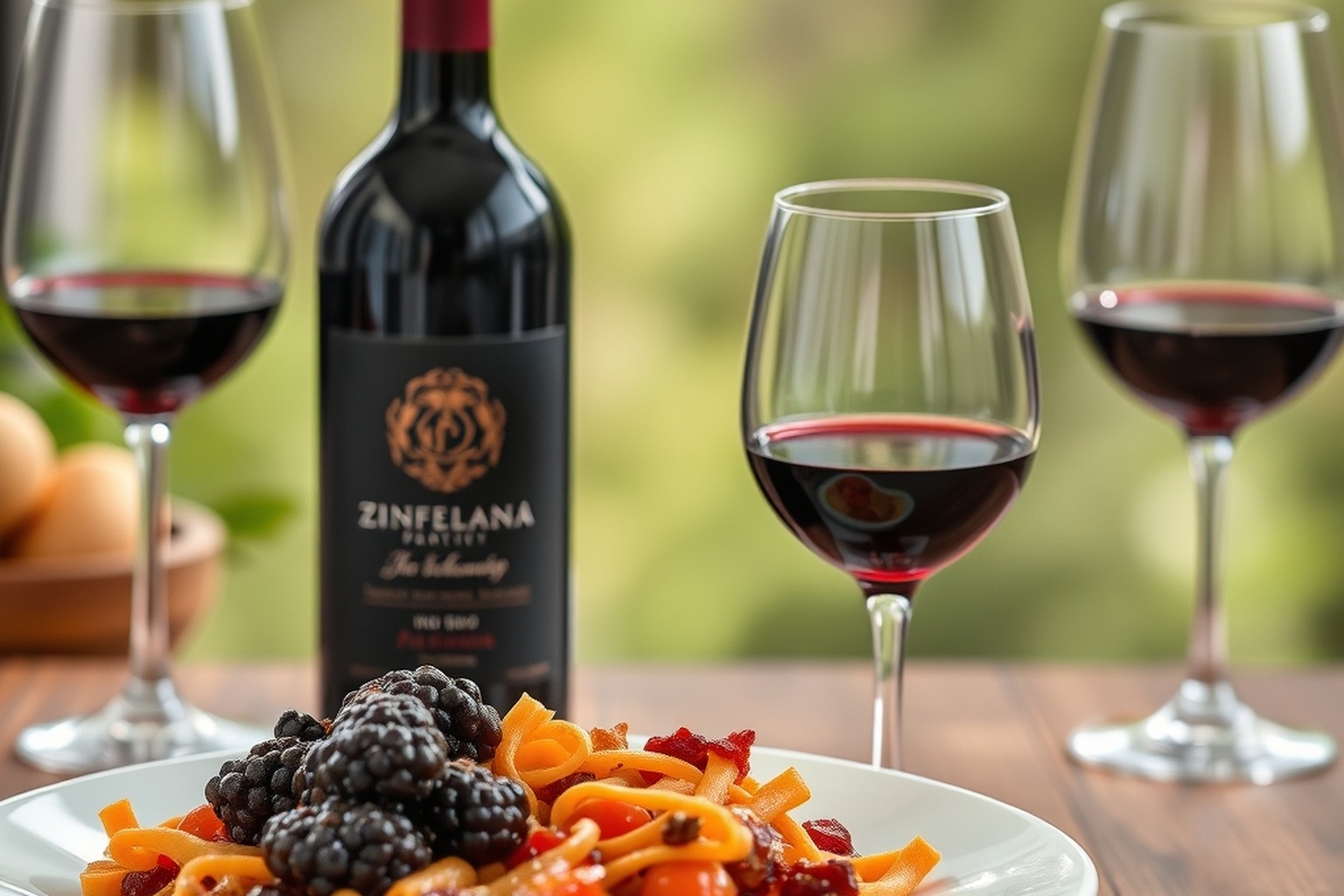
A full‑bodied Zinfandel—rich in fruit, firm in tannin and warm with alcohol—needs a dish that can stand up to its power. Look for meals that are equally substantial, layered with seasoning, often a hint of smoke or earth. The aim is balance: the wine should lift the food, not drown it.
Grilled meats and game
Beef brisket, lamb chops and pork ribs are the go‑to partners for a robust Zinfandel. The grill‑kissed crust and juicy interior echo the wine’s own charred‑berry character.
- Grilled flank steak with chimichurri. A 300‑gram portion priced around $250–350 MXN, served medium‑rare to medium. The fresh herbs in the chimichurri cut through the wine’s sweet notes.
- Lamb shanks slow‑braised in rosemary and garlic. Two shanks, €28–35 EUR. The earthy sauce mirrors the wine’s oak and spice.
- Pork ribs glazed with maple and bacon bits. A four‑rib serving, $180–260 MXN. The sweet‑smoky glaze reflects the wine’s candied‑fruit notes.
Keep the beef around 65–68 °C and the lamb a bit hotter, 70–73 °C, so the fibers stay tender while the wine’s tannins soften on the palate.
Rich stews and braises
Long‑simmered stews and braises, rich with umami and a velvety mouthfeel, are ideal companions for a full‑bodied Zinfandel.
- Coq au vin loaded with pearl onions and mushrooms. A half‑chicken portion, €22–28 EUR. The sauce, built around wine, reinforces the grape’s own flavors.
- Beef bourguignon with potatoes. 250 g of beef, $280–380 MXN. The red‑wine reduction mirrors the Zinfandel’s fruit‑spice profile.
- Black bean and pork hash. 200 g serving, $150–210 MXN. The smoky beans and rendered pork fat give a hearty backbone.
Serve these stews around 60–65 °C on the plate; a slight coolness lets the wine’s warm alcohol shine.
Cheesy, savory appetizers
Melty, herbaceous or slightly peppery starters set the stage for a full‑bodied Zinfandel.
- Mexican street‑corn quesadilla spiked with cotija cheese and chipotle. Two pieces, $120–160 MXN. The smoky chipotle balances the wine’s own spice.
- Italian mozzarella di buffala with a tomato‑basil reduction. 150 g, €12–15 EUR. The bright acidity contrasts the wine’s richness.
- French onion tart in a puff‑pastry crust. One slice, €9–11 EUR. The caramelized onions echo the wine’s jammy fruit.
Quick tip: When you pair Zinfandel with meat, think about the fat. Fatty cuts such as ribeye or lamb ribs soften the wine’s tannins, while leaner options can feel a bit astringent.
Best foods for Primitivo: lighter, aromatic pairings
Primitivo—the Italian name for Zinfandel—often wears a brighter face: high acidity, vivid berry fruit and a peppery finish. It thrives with fresh, aromatic dishes or those with a whisper of spice, letting its vibrancy cut through sauces and lift flavors.
Mediterranean salads and grilled fish
Light proteins and crisp vegetables let the wine’s aromatics take center stage without fighting for attention.
- Grilled sea bass dressed with olives and capers. 200 g fillet, €18–22 EUR. The briny fish and sharp capers highlight the wine’s acidity.
- Tomato‑mozzarella salad tossed with basil and a splash of extra‑virgin olive oil. One portion, $90–120 MXN. The simplicity lets the wine’s fruit shine.
- Pan‑seared scallops in a white‑wine sauce spiced with fennel. 150 g, €25–30 EUR. Their gentle sweetness balances the wine’s peppery edge.
Serve the fish at 58–62 °C for the best texture, and keep the wine cool—around 12–14 °C—to preserve its lively acidity.
Herbaceous vegetables and legumes
Vegetable‑forward plates that feature herbs, citrus or a splash of olive oil pair beautifully with Primitivo’s bright fruit.
- Roasted eggplant served with a mint‑yogurt dip. 180 g, $140–190 MXN. The cool yogurt contrasts the wine’s warmth.
- Green bean amandine dressed with lemon‑thyme vinaigrette. 150 g, €10–12 EUR. The crisp beans and aromatic herbs echo the wine’s perfume.
- Lentil stew spiced with caraway and smoked paprika. 200 g, $110–150 MXN. The earthy lentils and subtle smoke sit nicely with the wine’s peppery finish.
Pairing shortcut: When you’re tossing a Primitivo‑friendly dish at home, try a 1:10 oil‑to‑ingredient ratio in dressings. It spreads the herbs and acid evenly, letting the wine’s aromatics shine.
Spicy Asian‑inspired dishes
Primitivo’s peppery bite pairs well with Asian flavors that lean on chili, ginger or soy. Its fruit can also tame overly salty or fishy notes.
- Sichuan‑style spicy eggplant (mapo tofu). 250 g, $160–220 MXN. The fermented tofu and Sichuan peppers build a layered heat that the wine’s acidity cuts through.
- Teriyaki‑glazed salmon with pickled ginger. 180 g fillet, €20–24 EUR. The sweet‑salty glaze balances the wine’s bright fruit.
- Thai basil (pad krapow) with lean beef. 150 g, $130–180 MXN. The chili and lime brighten the wine’s natural sweetness.
Keep spicy dishes around 55–60 °C so they don’t overwhelm the wine’s delicate fruit. A lighter pour, about 14–16 °C, lets the wine’s acidity and pepper come forward.
Conclusion: enjoy both sides of the same grape
Zinfandel and Primitivo are two sides of the same grape, each with its own vibe that can totally change a meal. When you go with a hearty, full‑bodied Zinfandel, think grilled meats, rich braises and savory bites that match its weight, firm tannins and warm alcohol. Choose dishes that are equally bold, seasoned with smoke, herbs or deep sauces, and keep them at temperatures that keep the meat tender while letting the wine breathe.
On the flip side, a lighter Primitivo shines with fresh, aromatic pairings: Mediterranean salads, gently grilled fish, veggie‑forward plates and dishes that add a hint of spice or acidity. Those foods keep the wine’s bright fruit and peppery finish front and center, making each sip feel refreshing, not heavy. Serve it cool—around 12–16 °C—and match it with lightly seasoned or bright‑dressed fare.
With those insights, you can glide from a cozy, meat‑heavy dinner to a breezy, veggie‑rich lunch, using the same grape to tell different stories on the plate. Whether it’s a romantic dinner for two, a laid‑back get‑together with friends, or just upping your everyday meals, let the wine steer the decision: let Zinfandel’s boldness lead the way with hearty dishes, and let Primitivo’s liveliness dance with lighter, aromatic fare.
Frequently Asked Questions
- Can I pair a Zinfandel with vegetarian dishes?
I think a full‑bodied Zinfandel matches nicely with rich vegetarian options—think mushroom risotto, braised lentils seasoned with smoked paprika, or a hearty roasted vegetable medley. Those dishes hold their own against the wine’s intensity.
- Is it okay to serve Primitivo with seafood?
Absolutely. Light‑bodied seafood such as grilled sea bass, scallops or shrimp dressed with citrus‑herb sauces lets the wine’s bright acidity and fruit shine without overwhelming the plate.
- What temperature should I store each wine at?
For Zinfandel, aim for 12–14 °C when you’re about to pour it, and a bit cooler—13–15 °C—if you’re storing it long term. Primitivo, being more aromatic, feels best served a touch cooler, around 12–14 °C.
Armed with these pointers, you’ll be ready to pair the perfect plate with each version of Zinfandel/Primitivo, turning any meal into a celebration of the grape’s dual nature. Enjoy digging into both sides of the same vine.